How to Choose a Business Name: A Step-byStep Guide for Beginners
Learning how to choose a business name can help beginners build a clear and recognizable brand identity.
Choosing a business name is one of the first important decisions you make when starting a new business. Your name introduces your company to potential customers, communicates something about your brand, and helps people recognize your products or services. Whether you are launching an online store, opening a local business, starting a consulting service, or building a digital brand, selecting the right name can give your business a strong foundation.
Many beginners find the naming process difficult because they want a name that sounds professional, looks attractive, and is easy to remember. They may also worry about choosing a name that another company already uses or discovering later that the matching website domain is unavailable. These concerns are understandable, but they do not need to make the process complicated.
Learning how to choose a business name becomes much easier when you follow a clear plan. Instead of selecting the first idea that sounds appealing, you can identify your audience, explore creative possibilities, compare your options, and check availability before making a final decision.
A good business name does not guarantee success by itself. Your products, customer service, marketing, and business strategy still matter. However, a suitable name can support these efforts by making your company easier to identify and helping you establish a consistent brand identity.
This guide explains the practical steps involved in choosing a business name, common mistakes to avoid, and useful strategies for building a name that can grow with your business.
Why Choosing the Right Business Name Matters
A business name is more than a label. It becomes part of your company’s identity and appears across many customer interactions, including your website, social media profiles, invoices, advertisements, packaging, and email communications. Learning how to choose a business name can help beginners build a clear and recognizable brand identity.
When people ncounter your business for the first time, your name may influence their initial impression. A clear and relevant name can help customers understand what your company offers. A confusing name may require additional explanation before people recognize its purpose.
Your business name can also affect how easily customers remember and recommend your company. If people can pronounce your name, spell it correctly, and recall it later, they may find it easier to search for you online or tell others about your services.
Another important consideration is future growth. A name that describes only one product might become restrictive if you later introduce additional products or enter a different market. Choosing a name that reflects your broader business direction can provide greater flexibility.
For example, a company that initially sells handmade notebooks might eventually offer planners, stationery, desk accessories, and educational products. A name focused exclusively on notebooks could become limiting, while a broader creative brand name might accommodate the expansion more naturally.
The goal is not to find a perfect name that solves every marketing challenge. It is to select a practical, memorable, distinctive, and legally usable name that supports your long-term business plans.
Step 1: Understand Your Business Identity
Before brainstorming names, take time to understand what your business represents. This step helps you avoid choosing a name simply because it sounds attractive without considering whether it suits your company.
Start by answering a few important questions.
What products or services will you provide?
Write a simple description of your main offering. For example, you might sell organic skincare products, provide website design services, operate a clothing store, or offer accounting support to small businesses. Learning how to choose a business name can help beginners build a clear and recognizable brand identity.
Your answer gives you a starting point for identifying relevant words, concepts, and naming styles.
Who is your target audience?
Think about the people you want to reach. Your audience might include students, parents, business owners, professionals, homeowners, or customers interested in a particular lifestyle.
Different audiences respond to different styles of communication. A name intended for a professional consulting firm may need a different tone from one created for a playful children’s clothing brand.
What makes your business different?
Consider the qualities that distinguish your company from competitors. You might focus on affordability, convenience, craftsmanship, sustainability, specialist knowledge, or personalized service. Learning how to choose a business name can help beginners build a clear and recognizable brand identity.
Your name does not need to communicate every advantage. However, understanding your strengths can help you choose a direction that supports your positioning.
What values should your brand communicate?
Think about whether your business should feel modern, reliable, friendly, luxurious, innovative, traditional, or approachable.
Write down three to five words that describe your intended brand personality. Keep this list nearby during the naming process so you can evaluate each idea against the same criteria.
Step 2: Research Your Target Market
Understanding your market helps you choose a business name that makes sense to potential customers. A name that sounds appealing to you might not communicate the right message to the people you want to reach.
Begin by studying businesses that serve a similar audience. Observe the naming patterns used by companies in your industry, including whether they use descriptive words, founder names, invented terms, or combinations of familiar words.
The purpose is not to copy another company. Instead, you want to understand customer expectations and identify opportunities to create something distinctive.
For example, if many businesses in your industry use complicated technical terms, a simpler name might make your brand feel more approachable. If most competitors use generic names, a more distinctive approach could help your business stand out.
Consider how customers might search for your products or services. A name that includes a relevant descriptive word can sometimes help people understand what you offer, although search visibility depends on many other factors, including website content, relevance, authority, and user experience.
You should also consider cultural and linguistic differences if you plan to serve customers in multiple countries. A word that sounds positive in one language might have an unintended meaning in another.
Researching your audience before selecting a name gives you a stronger basis for making decisions. It helps you balance personal creativity with the practical needs of your market.
Step 3: Brainstorm Business Name Ideas
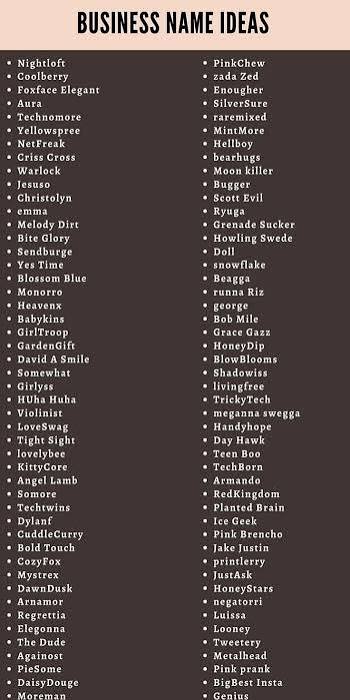
Once you understand your business and audience, begin generating possible names. Do not try to select the final name immediately. Your first goal is to create a useful collection of ideas that you can review later.
Set aside time for brainstorming and write down every reasonable option, even if some ideas seem incomplete. You can remove weak suggestions after you have a wider selection.
Try several different naming approaches.
Descriptive Business Names
Descriptive names communicate something about the company’s products, services, or industry. Examples of naming patterns include names built around words such as Digital Solutions, Garden Design, or Creative Studio.
These names can be easy to understand because customers receive an immediate clue about the business. However, descriptive names can be difficult to distinguish from competitors when they use common terms.
Invented Names
Invented names use newly created words or unusual combinations of sounds. They can help establish a distinctive identity, particularly when common industry names are already widely used.
The challenge is that customers may not immediately understand what the company does. You might need a clear tagline, helpful website content, and consistent marketing to explain your offering.
Founder-Based Names
Some businesses use the name or surname of their founder. This approach can work well for consulting firms, professional services, independent designers, and businesses where personal expertise is an important selling point.
Before using a personal name, consider whether the brand should remain closely connected to you if the business grows, changes ownership, or expands internationally.
Abstract Names
Abstract names communicate a feeling, idea, or brand personality rather than directly describing a product. They may suggest movement, discovery, creativity, trust, or progress.
This approach offers flexibility but requires more effort to establish meaning through branding and customer experience.
Combined-Word Names
Another option is combining two relevant words into one brand name. For example, a fictional business might combine ideas associated with creativity and technology to develop a distinctive identity.
When combining words, make sure the result is easy to pronounce, spell, and understand. Avoid combinations that create confusing letter sequences or unintended meanings.
Try to generate at least 20 to 30 possibilities before narrowing your list. Having several alternatives helps you remain flexible if your favorite option is unavailable.
Step 4: Keep Your Business Name Simple and Memorable
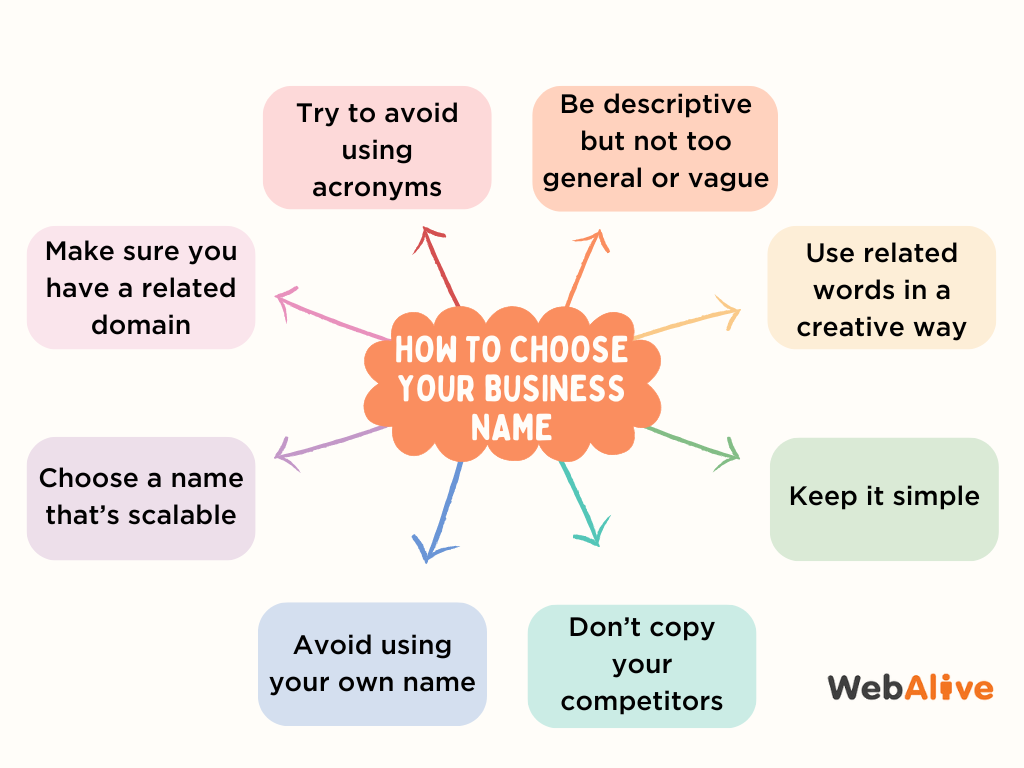
Simplicity is one of the most useful principles in business naming. A name does not need to be complicated to sound professional or distinctive.
Shorter names are often easier to remember, although length alone does not determine whether a name will succeed. What matters is how naturally the name can be spoken, written, recognized, and recalled.
Imagine a potential customer hearing your business name during a conversation. Would that person know how to spell it when searching online later? Could they easily repeat it to a friend?
These questions reveal practical weaknesses that may not be obvious when you are looking at the name on a screen.
Avoid unnecessary punctuation, confusing abbreviations, and unusual spellings that require repeated explanations. If your name depends on customers remembering several numbers or complicated combinations of letters, consider whether a simpler alternative would work better.
You should also test the name in ordinary situations. Say it aloud, write it in a sentence, and imagine how it would appear on a business card or website header.
A strong name should feel natural in conversation and remain recognizable when presented without elaborate visual design.
Step 5: Choose a Name That Can Grow With Your Business
When selecting a business name, consider where you want your company to be in the next three to five years. Your current offering may represent only the beginning of a larger business.
A highly specific name can be useful when you intend to specialize in one product or service permanently. However, it may create difficulties if your company later expands into related markets.
For example, a fictional business called “Lahore Laptop Repairs” communicates a specific service and location. That may be appropriate for a local repair shop. If the owner later plans to sell computers nationwide and provide technical consulting, the original name may no longer describe the full business.
A broader name might allow the company to introduce additional services without requiring a complete rebrand.
Think about geographical restrictions as well. Including a city or region in your name can help communicate local relevance, but it may become limiting if you eventually serve customers elsewhere.
This does not mean every business should choose a broad or abstract name. A focused name can strengthen recognition within a specialist market. The important point is to match the naming decision to your actual business strategy.
Choose a name that supports your likely direction without becoming so general that customers cannot distinguish your company from others.
Step 6: Check Business Name Availability
Before investing money in branding, advertising, packaging, or website development, check whether your preferred name is available for your intended use.
This is one of the most important steps when learning how to choose a business name because a name that sounds ideal may already be used by another company.
Begin with a general internet search. Search the exact name in quotation marks and then try variations, alternative spellings, and combinations with relevant industry terms.
Look for businesses operating in the same market, especially those offering similar products or services. Learning how to choose a business name can help beginners build a clear and recognizable brand identity.
Next, check the relevant business registration authority in your country or region. Depending on your location and business structure, the process might involve a companies registry, a local licensing authority, or another official government service.
Remember that a name being available for business registration does not automatically mean it is free from trademark conflicts. Registration rules and trademark protections serve different purposes.
Check Trademark Availability
Search the relevant official trademark database for identical and similar names. Consider spelling variations, similar pronunciations, and related products or services.
In the United States, for example, the United States Patent and Trademark Office provides an official trademark search system. Other countries have their own trademark offices and databases. Learning how to choose a business name can help beginners build a clear and recognizable brand identity.
Trademark questions can be complicated because the risk of conflict depends on more than whether two names are identical. Similarity, industry, commercial use, and the relevant legal rules can all matter.
If your business will operate across multiple countries or the proposed name is commercially important, consider consulting a qualified trademark professional before committing to it.
Do not assume that adding a word, changing a letter, or using a different domain extension automatically resolves a potential conflict. Learning how to choose a business name can help beginners build a clear and recognizable brand identity.
Step 7: Find a Suitable Domain Name
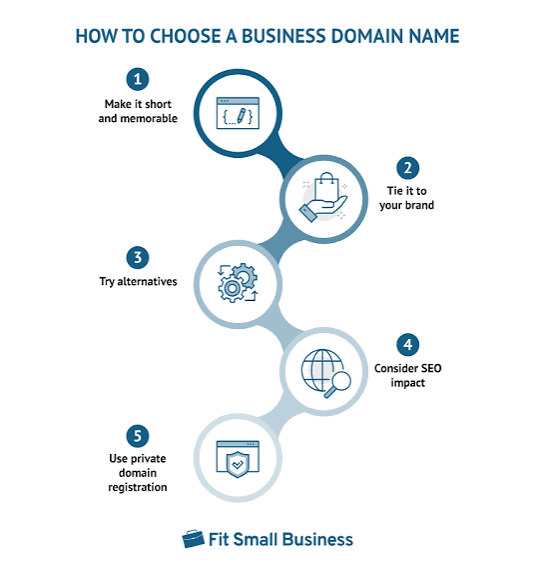
If your business will have a website, check whether a suitable domain name is available. Your domain is the address people use to reach your website, so it should be easy to communicate and consistent with your brand where practical.
Start by checking the exact business name with a reputable domain registrar. If the matching domain is unavailable, consider a clear alternative that still identifies your company.
A familiar domain extension, such as .com, may be useful for businesses targeting an international audience. A country-specific extension may be appropriate for a business focused on a particular national market.
Other extensions can also work when they suit the brand and audience.
Try to avoid domain names that contain unnecessary hyphens, confusing abbreviations, or multiple numbers. These elements can make the address harder to remember and communicate verbally. Learning how to choose a business name can help beginners build a clear and recognizable brand identity.
For example, if a fictional company is named BrightPath Consulting, a straightforward domain based on those words would generally be easier to share than a long address containing several unrelated terms.
Before purchasing a domain, check the registration price, renewal costs, and applicable registration terms. Some promotional offers apply only to the first year.
Also check for confusingly similar domains and established websites using similar names. A matching domain does not itself grant trademark rights, and owning a domain does not guarantee that you can legally use the name as a business brand.
Step 8: Check Social Media Username Availability
Social media can be an important part of building brand awareness. Before finalizing your name, check whether an appropriate username is available on the platforms relevant to your audience.
Depending on your business, these might include Facebook, Instagram, LinkedIn, TikTok, YouTube, Pinterest, or other platforms. Learning how to choose a business name can help beginners build a clear and recognizable brand identity.
Using a consistent username across several platforms can make your brand easier to recognize. However, you do not necessarily need to register an account on every social network.
Focus on the channels that your customers actually use.
If the exact username is unavailable, consider a simple variation that remains consistent with your business identity. For example, adding a relevant word such as “official,” “studio,” or “business” may be practical when permitted by the platform. Learning how to choose a business name can help beginners build a clear and recognizable brand identity.
Before selecting a variation, check whether another account is already using a confusingly similar identity.
Do not choose a username that could make customers believe you are connected to another company. Also review the platform’s rules before registering or changing an account name.
A consistent digital identity helps customers move between your website, social media profiles, and other communication channels with less confusion. Learning how to choose a business name can help beginners build a clear and recognizable brand identity.
Step 9: Evaluate Your Shortlist
After brainstorming and completing your initial availability checks, select your strongest three to five names. Compare them using the same criteria rather than choosing based only on personal preference. Learning how to choose a business name can help beginners build a clear and recognizable brand identity.
Ask yourself whether each name is easy to pronounce, spell, and remember. Consider whether it suits your target audience and communicates the right brand personality.
Review how well it fits your long-term business direction. Check whether the domain and relevant social usernames are available, and whether your preliminary trademark research reveals potential concerns.
You can create a simple comparison table to organize your thoughts.
| Criteria | Questions to consider |
|---|---|
| Clarity | Can people understand or recognize the name? |
| Memorability | Is it easy to recall after hearing it once? |
| Relevance | Does it suit your products and audience? |
| Distinctiveness | Can customers distinguish it from competitors? |
| Flexibility | Can the name support future growth? |
| Domain | Is a suitable website address available? |
| Social media | Can you establish a consistent online identity? |
| Legal checks | Have you investigated registration and trademark risks? |
You can score each candidate from one to five for the first five criteria, then record domain availability, social media availability, and legal research separately. Learning how to choose a business name can help beginners build a clear and recognizable brand identity.
Do not allow a high score to override a serious legal concern. A name that performs well creatively may still need to be rejected if it presents an unacceptable risk.
The purpose of this exercise is to make your decision more systematic and reduce the influence of temporary excitement.
Step 10: Ask Other People for Feedback
Once you have a shortlist, ask a small group of people for honest feedback. Include people who resemble your intended customers when possible.
Avoid asking only whether someone likes a name. Instead, ask specific questions that reveal how the name communicates.
For example, ask what type of business they think it represents, how they would spell it after hearing it, and what qualities they associate with it. Learning how to choose a business name can help beginners build a clear and recognizable brand identity.
You may discover that a name you consider modern sounds confusing to other people. Another option may communicate trust or professionalism more effectively than expected.
You can also test the names in different contexts. Show each name on a simple website header, business card, or product label without elaborate design effects. Learning how to choose a business name can help beginners build a clear and recognizable brand identity.
This helps you evaluate the name itself rather than allowing attractive graphics to influence the decision.
Feedback should support your judgment, not replace it. People may have different preferences, and no small group can predict how every customer will respond.
Look for consistent patterns in the feedback. If several people misunderstand the same name or struggle to spell it, consider whether those problems will affect your business.
Step 11: Make Your Final Decision
After reviewing your shortlist, checking availability, and collecting feedback, select the name that best meets your business needs. Learning how to choose a business name can help beginners build a clear and recognizable brand identity.
You do not need to find a name that every person considers perfect. Your goal is to choose an option that is clear, distinctive, practical, and suitable for your intended market.
Before making the commitment, confirm the details that matter most. Recheck the relevant business registration requirements, domain availability, social media usernames, and trademark information.
If the name has significant legal or commercial implications, seek professional advice where appropriate.
Once you have selected the name, document the correct spelling, capitalization, and any approved variations. This creates a consistent reference for future website content, marketing materials, invoices, and business communications.
Avoid repeatedly changing the name because of minor preferences. Frequent changes can create confusion, particularly after customers have begun recognizing your brand.
A thoughtful decision supported by research is generally more useful than endless brainstorming.
Common Mistakes to Avoid When Naming a Business
Even a creative naming process can produce problems if important practical considerations are overlooked.
Choosing a Name Only Because It Sounds Attractive
A name may sound impressive without communicating anything useful about your business. Consider its relevance, audience, memorability, and long-term suitability before making a decision.
Copying a Competitor
Using a name that closely resembles an established competitor can confuse customers and create legal risks. Study other businesses to understand the market, but develop an identity that can stand independently.
Using Complicated Spellings
Unusual spellings may make a name distinctive, but they can also make it harder for customers to find your website. Choose unusual spelling only when it offers a clear benefit that outweighs the inconvenience. Learning how to choose a business name can help beginners build a clear and recognizable brand identity.
Ignoring Domain Availability
Building a brand around a name without checking domain availability can create unnecessary complications. Check the website address early enough to preserve alternative options. Learning how to choose a business name can help beginners build a clear and recognizable brand identity.
Limiting Future Business Growth
A name tied to one product, customer type, or location may become restrictive if your plans change. Consider your realistic expansion opportunities before deciding.
Forgetting Trademark Research
A domain being available does not prove that the name is legally safe to use. Investigate relevant trademark rights and registration requirements before investing heavily in the brand.
Following Every Opinion
Feedback is valuable, but trying to satisfy everyone can make it impossible to decide. Focus on your target audience and the practical requirements of your business.
Spending Too Much Time Searching for Perfection
Naming matters, but it is only one part of building a successful company. Set a reasonable deadline, use clear evaluation criteria, and move forward once your checks are complete.
How to Create a Strong Brand Around Your Business Name
Selecting a name is the beginning of your brand identity, not the end of the process. Your customers learn what your name represents through their experiences with your company.
Start by creating a consistent visual identity. Choose a suitable logo, typography, and color palette that match the personality of your business. Use these elements consistently across your website, social media profiles, and marketing materials.
Develop a clear explanation of what your company does and whom it serves. A short tagline can provide additional context when your business name is abstract or does not directly describe your products.
Your website should communicate your offering clearly. Include useful information about your services, pricing where appropriate, customer support, and the problems your business helps solve.
Publish content that answers the questions your target audience is likely to ask. Helpful articles, practical guides, product information, and clear service descriptions can support your visibility in search engines and establish trust.
Make sure the spelling of your business name remains consistent across important platforms. Inconsistent naming can make your online presence appear fragmented and create confusion for customers.
You should also deliver the experience your branding promises. A business that presents itself as reliable should respond professionally to customers, fulfill commitments, and provide clear communication.
Over time, repeated positive experiences help customers associate your name with specific qualities. That association is what turns a name into a recognizable brand.
Frequently Asked Questions
What Makes a Good Business Name?
A good business name is memorable, easy to pronounce, suitable for the target audience, and distinctive enough to support a recognizable identity. It should also fit your business direction and be available for your intended use after appropriate checks.
How Long Should a Business Name Be?
There is no universal ideal length. Short names can be convenient, but longer names may communicate your services more clearly. Choose a name that customers can understand, spell, and remember without unnecessary difficulty.
Should My Business Name Include Keywords?
Including a relevant descriptive word can help customers understand what your business offers. However, a business name does not need to contain a search keyword to perform well online. Website content, technical SEO, relevance, and other factors contribute to search visibility.
Can I Use My Own Name for My Business?
Yes, using your own name can work well for personal brands, professional services, consulting businesses, and creative work. Consider whether it suits your intended audience and whether you want the business to remain closely associated with you as it grows.
What Should I Do If My Preferred Domain Is Taken?
First, check whether a clear alternative domain is available. You might consider a suitable extension or a simple addition to your brand name. Avoid confusingly similar names and investigate the existing website before deciding how to proceed. Learning how to choose a business name can help beginners build a clear and recognizable brand identity.
Do I Need to Register My Business Name?
Requirements depend on your country, business structure, and intended activities. Some businesses must register their legal name, while others may have different requirements for trading names or sole proprietorships. Consult the appropriate official authority for the rules that apply to your situation.
Is Business Name Registration the Same as Trademark Registration?
No. Business name registration and trademark registration serve different purposes. Registering a company name does not automatically give you exclusive trademark rights in every market. Check the applicable rules and seek professional advice when necessary.
Should I Change My Business Name If My Company Expands?
Not necessarily. If your existing name still represents your products and audience, it may remain suitable. Consider rebranding only when the current name creates meaningful confusion, restricts your positioning, or no longer supports your business strategy.
Conclusion
Learning how to choose a business name is an important part of preparing your company for the market. The process becomes more manageable when you understand your business identity, research your audience, brainstorm several possibilities, and evaluate each option against clear criteria.
A strong business name should be practical as well as creative. It should be easy to recognize, suitable for your customers, flexible enough to support your plans, and available for your intended use after appropriate legal and digital checks.
Take time to investigate business registration requirements, trademark risks, domain availability, and social media usernames before committing to a final choice. Ask potential customers for feedback, but use their opinions alongside your own research and business goals.
Once you have selected a suitable name, focus on building a consistent brand through helpful website content, professional communication, reliable products or services, and a positive customer experience.
Remember that a name is the starting point of your brand’s story. Its long-term value comes from the quality of the business behind it and the trust you build with your customers.
By following these steps, beginners can make a more informed naming decision and establish a foundation for a business that is ready to develop, adapt, and grow. Learning how to choose a business name can help beginners build a clear and recognizable brand identity.
official trademark search