Brand-business-domain
Starting a business involves several important decisions, and choosing the right name is one of the first. During this process, you may hear the terms brand name, business name, and domain name used interchangeably. Although they are closely connected, each serves a different purpose. brand name vs business name vs domain name
Your business name identifies the business itself. Your brand name represents how customers recognize and remember your products or services. Your domain name is the web address people use to visit your website. Understanding the difference between a brand name vs. business name vs. domain name can help you avoid confusion, make better branding decisions, and build a consistent identity. brand-business-domain
For example, imagine that you start a company selling handmade candles. You might register a legal business under one name, sell your products under a different brand name, and use a short domain name for your online store. These names may be identical, but they do not have to be.
In this guide, you will learn what each name means, how the names work together, when they can be different, and how to choose suitable options for your business. brand name vs business name vs domain name brand-business-domain
What Is a Brand-business-domain Business Name?
A business name is the name used to identify a business in its operations. Depending on your country and business structure, it may be the legal name registered with a government authority, the name used on official documents, or a trading name used to conduct business.
For example, a company might be legally registered as “Bright Future Enterprises Ltd.” That name may appear on contracts, invoices, tax documents, business bank records, and other formal paperwork.
A business name helps identify the organization responsible for selling products or providing services. It can also be important when opening business accounts, signing agreements, applying for permits, or meeting legal obligations. brand-business-domain
Legal Business Name
A legal business name is the official name associated with a registered business entity, where registration is required. The exact rules depend on the jurisdiction and the type of business.
For instance, a person operating as a sole proprietor may use their personal legal name in some circumstances. A limited company may need to register a distinct name that follows local company naming rules. brand-business-domain
Before choosing a legal business name, check the requirements that apply in your location. Some jurisdictions restrict particular words, require a business structure suffix, or prohibit names that are too similar to existing registered businesses.
Trading Name or Doing-Business-As Name
A trading name is a name a business uses publicly that may differ from its legal name. In some countries, this is called a trade name or a “doing business as” name.
Imagine a company legally registered as “Green Valley Retail Limited” that operates a shop called “Fresh Basket Market.” The first name identifies the legal entity, while the second is the name customers see on the shop.
The registration requirements for trading names vary. Do not assume that using a public-facing name automatically gives you exclusive rights to it.
Why a Business Name Matters
A suitable business name can help you present your company professionally and keep your business records consistent. It may also support customer trust because people can identify which organization they are dealing with.
When choosing one, consider whether it is appropriate for your industry, easy to understand, and flexible enough for future growth. Check availability with the relevant business registration authority before investing heavily in the name. brand-business-domain
What Is a Brand Name?
A brand name is the name customers associate with a company, product, service, or collection of offerings. It is a central part of brand identity and often appears in advertising, packaging, social media, and customer communications.
A brand name is not simply a label. Over time, it can become associated with particular qualities, experiences, values, and expectations. brand-business-domain
For example, a business that sells skincare products may use “Pure Glow” as its brand name. Customers may begin to associate that name with gentle products, clear packaging, and helpful customer service. Those associations develop through the customer’s experience, not just the words themselves.
Brand Name and Customer Recognition
A memorable brand name helps customers recognize your business when they encounter it again. It can make your products easier to identify in a crowded marketplace and help people distinguish your offer from competing products.
A good brand name is usually easy to pronounce, spell, and remember. It should also suit the audience you want to reach. brand-business-domain
For example, a premium home décor brand might choose a refined, elegant name, while a playful stationery brand might prefer a friendly and imaginative name. Neither style is automatically better; the right choice depends on the product, target audience, and brand personality.
One Business Can Have Several Brand Names
A business may operate multiple brands under one legal entity. This is common when a company sells different product categories or serves different customer groups. brand name vs business name vs domain name
Imagine a company that produces household goods and personal care products. It might use one brand for cleaning products and another for skincare. Each brand can have its own packaging, website, marketing approach, and target audience, while the same legal company manages the operations. brand-business-domain
This structure can help businesses position different offerings more clearly. However, maintaining multiple brands may require more time, money, and coordination.
Brand Name vs. Logo
A brand name and a logo are related but different. The brand name is the word or phrase used to identify the brand. A logo is a visual symbol, wordmark, or design that helps people recognize it.
A business can use its name in plain text before developing a professional logo. A logo can strengthen recognition, but it does not replace the need for a suitable name or the relevant legal checks. brand name vs business name vs domain name . brand-business-domain
What Is a Domain Name?
A domain name is the address people type into a browser to reach a website. For example, in example.com, the domain name is example.com.
A domain name helps customers find your business online without needing to remember a numerical internet address. It may be used for your website, branded email addresses, and other online services.
For example, a business called “Fresh Basket Market” might use a domain such as freshbasketmarket.com, if that domain is available and appropriate to register. brand-business-domain
How Domain Names Work
A domain name provides a human-readable address for online services. The Domain Name System, commonly known as DNS, helps direct that name to the relevant internet resources.
When a customer enters your domain into a browser, the DNS system helps the browser locate the server associated with the website. The visitor can then view your site if the domain, hosting, and website configuration are set up correctly.
Registering a domain name does not automatically create a website. You may also need hosting, a website builder or content management system, and the appropriate technical configuration.
Domain Extensions
The ending of a domain name is called a domain extension or top-level domain. Common examples include .com, .org, and country-specific extensions such as .pk or .uk. brand name vs business name vs domain name
Different extensions may suit different purposes. A business serving customers in one country may consider a local extension, while a company targeting a broad international audience may prefer a widely recognized option.
There is no extension that guarantees higher search rankings. Choose one that is appropriate for your audience, available to register, and consistent with your brand. brand-business-domain
Why Your Domain Name Matters
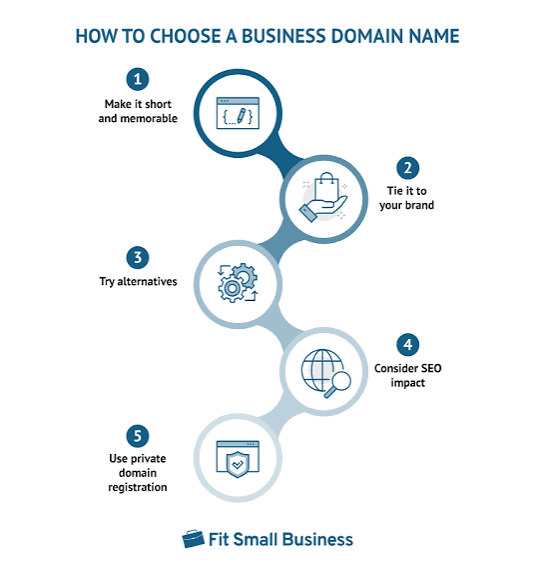
Your domain name affects how customers find and access your website. A short, relevant, easy-to-spell domain can be easier to share in conversations, advertisements, business cards, and social media posts.
Ideally, your domain should align with your brand name. However, the exact match may already be registered, so you may need to consider a sensible alternative. brand-business-domain
For more guidance, read this guide to choosing a domain name. It can help you consider practical factors before registering a web address.
Brand Name vs. Business Name vs. Domain Name: Key Differences
The difference between a brand name vs. business name vs. domain name becomes easier to understand when you compare their purposes.
1. Purpose
A business name identifies the business in its operations and, where applicable, in official registration records. A brand name identifies the products or services customers recognize. A domain name identifies the online address used to reach a website.
These purposes overlap, but they are not identical. brand name vs business name vs domain name . brand-business-domain
2. Registration and Ownership
Business name registration is governed by the rules of the relevant jurisdiction and business structure. Brand names may be protected by trademark law or other applicable rights, depending on the circumstances. Domain names are generally registered through a domain registrar under the relevant registration terms. brand-business-domain
Registering a business name does not automatically provide trademark protection. Likewise, owning a domain name does not automatically grant exclusive legal rights to the same words as a brand.
3. Where Each Name Appears
A business name may appear on contracts, invoices, registration documents, and official communications. A brand name may appear on product labels, advertisements, packaging, and social media. A domain name appears in a website address and may also be used in branded email addresses.
A business can use all three names in different places while keeping its identity consistent.
4. Can They Be Different?
Yes. A business can have one legal name, several brands, and different domain names for separate websites or campaigns.
For example, “Northstar Retail Limited” might own a product brand called “Cozy Living” and use cozyliving.example as its website address. The example illustrates the relationship between the names; it does not imply that the example domain is available to register. brand name vs business name vs domain name . brand-business-domain
5. Legal Protection
The rules for protecting names differ. Business registration may prevent certain similar registrations within a particular jurisdiction or category, but the scope varies. Trademark protection can apply to names used to identify particular goods or services. Domain registration gives the registrant rights under the domain registration agreement, subject to applicable policies and law.
For US trademark research, you can begin with the official USPTO trademark search tool. If your business operates elsewhere, consult the relevant trademark office in that country or region. brand-business-domain
6. Effect on Marketing
A brand name plays a direct role in customer recognition and marketing. A business name helps establish the identity of the organization behind the offer. A domain name makes it easier for customers to find the business online.
When the names work together, customers can move from an advertisement to a website and understand that they are dealing with the same brand.
Can Your Business Name, Brand Name, and Domain Name Be the Same?
Yes. Many small businesses use the same name for all three because it creates a straightforward and consistent identity.
For example, a small design company might register as “BrightPath Studio,” use BrightPath Studio as its brand, and register a matching domain if it is available. Customers can then recognize the same name on its website, invoices, social profiles, and marketing materials. brand name vs business name vs domain name. brand-business-domain
Benefits of Using the Same Name
Consistency: Customers see the same identity across different channels.
Memorability: People have fewer names to remember when searching for the business.
Simpler marketing: Website addresses, social media profiles, and promotional materials can follow a consistent naming approach.
Clear communication: Customers may find it easier to connect the brand with the organization providing the product or service.
When Using Different Names Makes Sense
Different names can be useful when a business owns multiple brands, serves separate audiences, or needs a public-facing identity that differs from its registered name.
A company may also discover that its preferred domain is unavailable. In that case, a suitable variation may be practical, provided it does not create confusion or conflict with another brand.
Before separating the names, consider the administrative requirements, customer experience, and cost of maintaining several identities. brand name vs business name vs domain name
How to Choose the Right Business Name
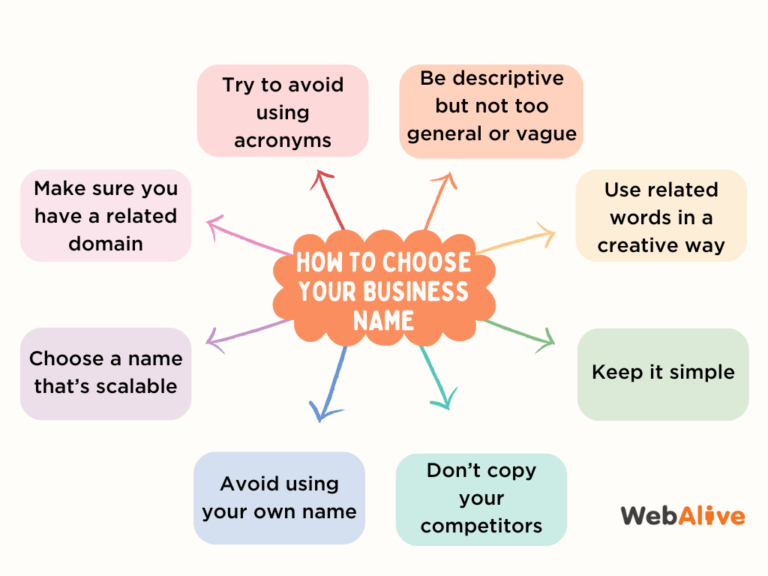
Choosing a name requires more than finding a phrase that sounds attractive. The name should suit your business model, audience, and plans.
Step 1: Define Your Business
Write down what your business does, who it serves, and what makes its products or services useful. Identify the main qualities you want customers to associate with your business.
For example, a company selling eco-friendly household products may want to communicate sustainability, simplicity, and trust. A technology consultancy may prefer a name that suggests expertise, clarity, and innovation.
A clear description of your business gives you a practical starting point for brainstorming names.
Step 2: Understand Your Audience
Consider your customers’ needs, preferences, language, and expectations. A name that appeals to one audience may not communicate the right message to another. brand name vs business name vs domain name
If you serve a local community, a familiar local reference might help customers understand your identity. If you intend to reach customers internationally, consider whether the name is easy to pronounce and interpret across your target markets.
Ask a few potential customers what they think the name communicates. Their feedback can reveal confusing meanings or unintended associations.
Step 3: Brainstorm Several Options
Create a list of possible names instead of choosing the first idea that comes to mind. Try combining relevant words, using a simple invented word, or drawing inspiration from the benefit your business provides.
Keep the options easy to read and say aloud. Avoid overly complicated spellings that require repeated explanations.
You can also explore these creative small business name ideas for inspiration, then adapt a suitable concept to your own business. Check the relevant article on your site and use its direct URL for the internal link if available. brand name vs business name vs domain name
Step 4: Check Availability
Search for your shortlisted names online. Review existing businesses, websites, social media accounts, and relevant business directories.
Then check the business registration authority in your jurisdiction and search the relevant trademark database. A name that appears unused in an ordinary search may still be registered or protected.
Do not assume that an available domain means the name is legally safe to use.
Step 5: Check Domain and Social Media Names
Look for a domain that is easy to type and communicate. Also check whether suitable usernames are available on the platforms you expect to use. brand name vs business name vs domain name
If your exact name is unavailable, consider a clear variation rather than adding random characters or complicated spelling. Keep the overall identity as consistent as reasonably possible.
Step 6: Test the Name
Say the name aloud, write it down, and imagine it on a website, invoice, package, or social media profile.
Ask other people to pronounce and spell it after hearing it once. If several people misunderstand the name, you may need a simpler option.
Compare your shortlisted names against consistent criteria, including relevance, clarity, memorability, availability, and future flexibility.
Step 7: Make a Final Decision
Once you have completed the necessary research, choose the name that best supports your business goals. Follow the applicable registration and legal requirements before using it commercially.
Keep records of the checks you completed and make sure your public communications use the chosen name consistently.
Common Naming Mistakes to Avoid
Choosing a Name Only Because It Sounds Good
A name can sound appealing but still be difficult to spell, inappropriate for your audience, or too similar to an existing business. Consider practical requirements alongside personal preference.
Ignoring Trademark Conflicts
A business name or domain being available does not guarantee that you can safely use it as a brand. Search the relevant trademark records and seek professional advice if a potential conflict arises.
Selecting an Overly Restrictive Name
A name tied to one product or location may become inconvenient if your business expands. Think about the range of services or products you may offer later.
Making the Name Too Complicated
Unusual spelling and long phrases can make a name harder to remember. Originality is useful, but clarity should remain a priority.
Forgetting the Online Experience
Your name should work on a website, in an email address, and across relevant social platforms. Review the complete customer experience before finalizing your choice.
How These Three Names Work Together in Real Life
Imagine that you want to start a business selling home décor products.
You might register a legal company called “Maple Retail Limited.” You could then use “Maple Nest” as the brand name customers see on your products. Your website could use a domain that closely matches the brand, if it is available and appropriate. brand name vs business name vs domain name
Each name has a separate role. The registered name identifies the legal entity, the brand name helps customers recognize the products, and the domain name helps customers reach the website.
Now imagine that the company expands into furniture and home organization. The same legal entity could operate additional brands if that structure suits its business strategy. It might also use separate websites for different audiences.
The important point is that naming decisions should support clarity and practical business needs. There is no universal rule that all names must match, but a consistent approach can make marketing and customer communication easier.
Frequently Asked Questions
Is a brand name the same as a business name?
Not always. A business name identifies the business itself, while a brand name identifies the products, services, or public-facing identity that customers recognize. A company may use the same name for both or operate several brands under one business.
Is a domain name the same as a brand name?
No. A domain name is the website address, while a brand name is the name used to identify a brand. Businesses often choose matching names to make their online identity easier to recognize.
Should I register my business name before buying a domain?
The right order depends on your location, business structure, and circumstances. It is sensible to research business registration, trademark availability, and domain availability before committing significant resources. If the name is important to your launch, check all three early.
Can two businesses have the same name?
The answer depends on the jurisdictions, industries, registration rules, and trademark rights involved. Some names may coexist in certain circumstances, while others can create legal conflicts or customer confusion. Research the relevant records and obtain professional advice when needed.
Does buying a domain protect my brand name?
No. Domain registration does not automatically grant trademark rights or exclusive rights to use a name for all commercial purposes. Trademark and business name rules must be considered separately.
Do I need a trademark for my brand name?
Trademark requirements and benefits depend on your circumstances and jurisdiction. Trademark protection may help protect a brand used for particular goods or services, but the process and scope differ by country. Consider speaking with a qualified trademark professional about your situation.
Can I use a different brand name from my legal company name?
In many places, businesses can use a trading name or operate brands that differ from their legal entity name, subject to local requirements. Check whether registration or disclosure is required in your jurisdiction.
Which name should appear on my website?
Your website should clearly show the public-facing brand name so visitors understand what they are viewing. Depending on local rules and the nature of your business, you may also need to display the legal entity name and relevant business information in the footer, terms, invoices, or other documents.
Conclusion
Understanding the difference between a brand name vs. business name vs. domain name helps you make more informed decisions when starting or expanding a business.
A business name identifies the organization, a brand name creates recognition for products or services, and a domain name provides an address for your website. These names can be the same, but they can also serve different purposes when your business model requires it.
Start by defining your business identity and audience. Brainstorm suitable options, test them for clarity, and check business registration, trademark, domain, and social media availability before committing.
When the names are selected thoughtfully and used consistently, they can support a clearer customer experience and provide a strong foundation for your business’s long-term growth.