7 Powerful Ways to Build a Small Business Brand Identity
Starting a business is an exciting journey, but creating a recognizable identity is one of the most important challenges every entrepreneur faces. A business needs more than a good product or attractive services to become successful. It also needs a clear identity that helps customers understand what the company represents and why they should choose it. This is where a strong Small Business Brand Identity becomes important.
Many new business owners concentrate on sales, products, and marketing while overlooking the importance of branding. However, customers often form their first impression before purchasing anything. They notice the business name, logo, colors, website design, communication style, and overall presentation. These elements work together to create an image in the customer’s mind.
A thoughtful Small Business Brand Identity helps a company communicate its personality, values, and purpose. It also makes the business easier to recognize in a competitive market. Whether someone is launching an online store, opening a local shop, providing professional services, or starting a creative agency, developing a consistent identity can support long-term growth.
In this guide, we will explore practical ways to develop a memorable business identity, avoid common branding mistakes, and create a recognizable presence that connects with the right audience.
What Is a Small Business Brand Identity?
A Small Business Brand Identity refers to the collection of visual and communication elements that represent a company. It explains how a business presents itself to customers and how people recognize it across different platforms.
Brand identity includes several important elements, such as:
- Business name and logo.
- Brand colors and typography.
- Website appearance and layout.
- Communication style and tone.
- Brand message and values.
- Packaging and marketing materials.
- Customer experience and presentation.
These elements should work together rather than appear as separate decisions. For example, a company selling handmade products may choose warm colors, friendly language, and natural visual elements to communicate creativity and personal attention.
On the other hand, a technology company may prefer a clean design, simple typography, and professional communication to represent innovation and reliability.
The purpose is not simply to make a business look attractive. The real objective is to create an identity that accurately communicates what the company offers and what customers can expect from it.
1. Understand Your Business Purpose Before Designing Anything
The first step toward creating a successful Small Business Brand Identity is understanding the purpose of your business.
Before choosing colors, designing a logo, or creating marketing materials, consider what makes your company meaningful. Every business should have a clear reason for existing beyond generating revenue.
Ask yourself some important questions:
- What problem does my business solve?
- Which products or services do I provide?
- What makes my business different?
- What kind of customers do I want to attract?
- What experience should customers receive?
Your answers will help establish the foundation of your branding strategy.
For example, imagine a small company that sells environmentally responsible household products. Its branding could focus on sustainability, simplicity, and responsible consumption. Every design decision and marketing message should support these ideas.
A clear purpose also helps business owners make better decisions when introducing new products or expanding into different markets.
Without a defined purpose, branding decisions can become confusing. A company might use different colors, inconsistent messages, and unrelated designs across its marketing platforms.
Starting with a clear business purpose prevents this problem and creates a stronger foundation.
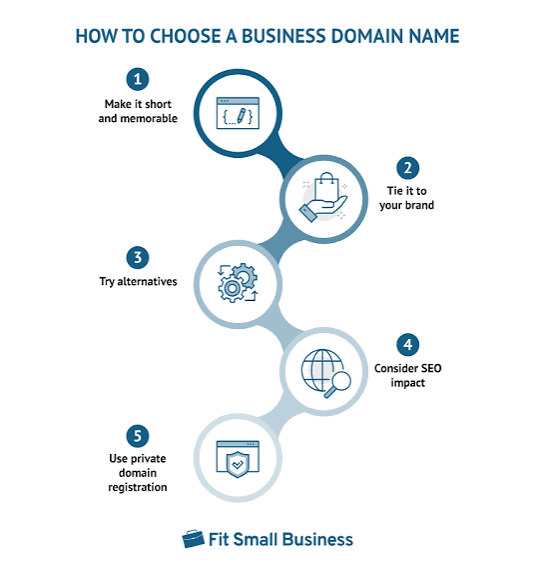
2. Choose a Business Name That Communicates Your Identity
A business name is often the first thing people discover about a company. It can influence how customers understand the business and whether they remember it later.
Choosing an effective name requires creativity, but it also requires careful thinking.
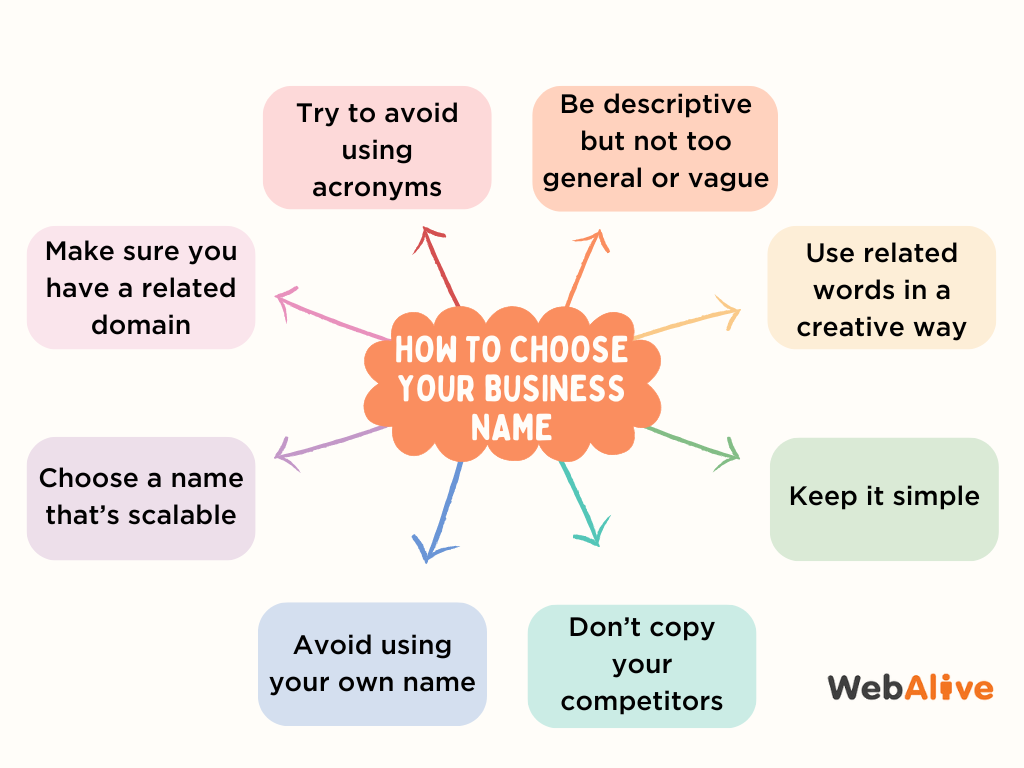
A good business name should be easy to pronounce, simple to remember, and relevant to the company’s overall direction.
Entrepreneurs should avoid choosing names only because they sound fashionable. A name that looks attractive today may become unsuitable if the business changes its products or services in the future.
Here are some useful naming principles:
Keep It Simple: Complicated names can be difficult to pronounce, remember, or communicate to other people.
Make It Relevant: The name should connect naturally with your business personality, industry, or purpose.
Consider Future Growth: Avoid names that unnecessarily restrict your company to one product or location.
Check Availability: Before using a name, investigate domain availability, social media usernames, business registrations, and relevant trademark databases.
Test Your Ideas: Share your shortlisted names with potential customers or people who understand your target market.
A business name should become a meaningful part of the company’s identity. It is not just a label used on documents or advertisements. It becomes something customers associate with the company’s reputation and experience.
3. Develop a Consistent Visual Identity
Visual presentation plays a major role in how customers recognize a business.
A consistent Small Business Brand Identity uses visual elements that create a familiar appearance across websites, social media accounts, packaging, advertisements, and other communication channels.
The most important visual elements include the logo, colors, typography, and graphic style.
Create a Meaningful Logo
A logo should represent the business without making its design unnecessarily complicated.
Small business owners sometimes make the mistake of adding too many shapes, colors, and decorative elements. A complicated logo can become difficult to recognize when displayed in a small size.
A better approach is to create a clean design that communicates the company’s personality.
For example, a consulting business may prefer a simple professional symbol, while a creative studio may use a more expressive design.
Select Suitable Brand Colors
Colors can influence how people interpret a company’s visual presentation.
Different color combinations communicate different moods and characteristics. However, businesses should not select colors simply because they are popular.
Instead, consider the message you want customers to receive.
A professional service company might use a balanced combination of neutral and darker colors. A children’s activity brand might choose brighter colors to communicate energy and friendliness.
The most important thing is consistency. Once you establish your main color palette, use it across your major branding materials.
Choose Readable Typography
Typography is another important part of visual identity.
The fonts used on websites, advertisements, business cards, and social media graphics should be easy to read.
Using too many different fonts can make a business appear disorganized. Selecting two or three complementary font styles is often enough for a small company.
A consistent visual system makes your business easier to recognize and gives customers a more organized experience.
4. Identify Your Target Audience
A brand cannot connect effectively with everyone. It needs to understand the people it wants to reach.
Identifying your target audience is an important step in developing a successful Small Business Brand Identity.
Different customers have different expectations, interests, purchasing habits, and preferences. Understanding these differences allows businesses to create more relevant messages.
For example, a company selling affordable educational products to students may use friendly language, accessible pricing information, and simple website navigation.
A company offering premium business consulting services may communicate through professional language, detailed service descriptions, and a more formal visual presentation.
To understand your target audience, consider the following factors:
- Age group and general customer characteristics.
- Interests and personal preferences.
- Purchasing habits.
- Problems customers want to solve.
- Preferred communication platforms.
- Expectations regarding quality and price.
Market research can provide useful information. Entrepreneurs can study competitors, read customer reviews, conduct surveys, and observe conversations on relevant social platforms.
The objective is to understand what customers actually need instead of making assumptions about their preferences.
When branding decisions are based on real customer expectations, businesses have a better opportunity to create meaningful connections.
5. Create a Clear Brand Voice and Communication Style
Branding is not limited to visual presentation. The way a company communicates is equally important.
A brand voice represents the personality of a business through its written and spoken communication.
Some companies use a friendly and conversational style, while others prefer professional and informative language. Neither approach is automatically better. The right choice depends on the audience and the nature of the business.
For example, a creative business serving young entrepreneurs might communicate using simple, encouraging language. A financial consulting company may use a more formal and informative approach.
A consistent brand voice should appear across:
- Website content.
- Social media captions.
- Email communication.
- Advertisements.
- Product descriptions.
- Customer support messages.
- Promotional materials.
Businesses should also develop a short set of communication guidelines. These guidelines can explain which words represent the brand, how formal its communication should be, and how it should respond to customer questions.
Consistency creates familiarity. When customers encounter the same communication style across different platforms, they can develop a clearer understanding of the company’s personality.
6. Build a Professional Online Presence
In the modern business environment, an online presence is essential for reaching potential customers.
Even small companies operating from home can use digital platforms to introduce their services, share information, and communicate with customers.
A professional website is particularly useful because it provides a central location where people can learn about the business.
An effective website should include:
Homepage: Introduce the company and explain what it offers.
About Page: Share the company’s background, purpose, and values.
Products or Services: Clearly explain available products and services.
Contact Information: Make it easy for visitors to communicate with the business.
Blog Section: Publish helpful information related to the company’s industry.
Website design should match the company’s overall identity. Colors, typography, language, and visual presentation should remain consistent.
Social media platforms can support this online presence by helping businesses share updates, publish useful content, and communicate with their audiences.
However, maintaining an account on every available platform is not necessary. Small businesses should concentrate on the platforms their potential customers actually use.
A focused and professional digital presence is often more effective than maintaining several inactive accounts.
7. Maintain Consistency Across Every Customer Touchpoint
One of the biggest branding challenges for small businesses is maintaining consistency as the company grows.
A business might have an attractive logo but use unrelated colors on social media. Its website might sound professional, while customer messages use a completely different communication style.
These differences can weaken the overall identity.
A consistent Small Business Brand Identity ensures that customers receive a familiar experience whenever they interact with the company.
Consider the following example:
A customer discovers a company through a social media advertisement. Later, the customer visits its website, reads product information, and contacts customer support.
Each interaction should communicate the same business personality.
Consistency should apply to:
- Logo placement and usage.
- Brand colors.
- Typography.
- Writing style.
- Product presentation.
- Customer service.
- Marketing messages.
Creating a simple brand guideline document can help maintain this consistency.
The document does not need to be complicated. It can contain the official logo, color codes, selected fonts, writing guidelines, and examples of correct branding usage.
This becomes especially useful when a business hires designers, marketing professionals, or other team members.
Common Branding Mistakes Small Businesses Should Avoid
Building a recognizable identity requires planning. Several common mistakes can make branding less effective.
Copying Competitors
Studying competitors can provide useful inspiration, but directly copying their designs or communication style can make a company appear unoriginal.
Businesses should identify what works in their industry and then develop an identity that represents their own values.
Changing Brand Elements Too Frequently
Constantly changing logos, colors, and business messages can confuse customers.
Some adjustments may become necessary as a business develops, but changes should have a clear purpose.
Ignoring Customer Feedback
Branding should not depend entirely on the owner’s personal preferences.
Customer opinions can reveal whether the business communicates clearly and whether its presentation matches audience expectations.
Choosing Design Over Clarity
An attractive website or logo cannot compensate for unclear information.
Customers should understand what a business offers, how its services work, and how they can make a purchase or contact the company.
How Small Businesses Can Improve Their Brand Recognition
Brand recognition develops when customers repeatedly encounter a business and begin associating its identity with a particular product, service, or experience.
It usually requires time and consistent effort.
One effective approach is publishing useful content. Businesses can share educational articles, practical advice, product information, and industry insights that provide genuine value to readers.
Another approach is maintaining an active relationship with customers. Responding to questions, addressing concerns, and communicating clearly can improve the overall customer experience.
Businesses can also strengthen recognition through:
- Consistent social media publishing.
- Professional product presentation.
- Helpful website content.
- Customer testimonials.
- Email newsletters.
- Relevant partnerships.
- Memorable customer experiences.
The goal should not be to make customers see advertisements everywhere. It should be to create a positive impression whenever they encounter the company.
A business that consistently delivers on its promises has a better opportunity to develop customer trust and long-term recognition.
The Role of Technology in Modern Business Branding
Technology has changed how small businesses develop and manage their identities.
In the past, creating professional branding materials often required significant time and access to specialized design services. Today, various digital tools allow entrepreneurs to explore ideas, prepare marketing materials, and manage their online presence more efficiently.
Design platforms can help create logos, presentations, social media graphics, and promotional materials.
Artificial intelligence tools can support brainstorming, content planning, and the development of initial creative concepts. However, business owners should review AI-generated material carefully to ensure that it accurately represents their company.
Website-building platforms also make it easier to establish an online presence without requiring advanced programming knowledge.
Customer analytics tools provide additional information about visitor behavior, popular content, and marketing performance.
Despite these developments, technology should support branding decisions rather than replace strategic thinking.
A recognizable identity still requires a clear purpose, knowledge of the target audience, and consistent communication.
How to Measure the Success of Your Brand Identity
Creating a brand identity is not a one-time activity. Businesses should regularly evaluate whether their branding is helping them achieve their objectives.
There are several ways to measure progress.
Brand Recognition: Observe whether customers recognize your business name, logo, or visual presentation.
Website Performance: Review website traffic, visitor engagement, and the number of people who contact your business.
Customer Feedback: Ask customers how they discovered your company and what impression they have of its products or services.
Social Media Engagement: Monitor meaningful interactions such as comments, shares, questions, and direct messages.
Customer Retention: Observe whether customers return to purchase products or use services again.
These indicators can help business owners identify areas that need improvement.
For example, if people visit a website but rarely contact the company, the service information or contact process may need improvement.
Similarly, if customers frequently misunderstand what the business offers, its messaging may require clarification.
Measuring results allows businesses to make informed adjustments instead of changing their branding without a clear reason.
Why a Strong Brand Identity Matters for Long-Term Growth
A strong brand identity can provide several advantages as a business develops.
First, it helps create a recognizable market presence. Customers can become familiar with the company’s name, appearance, and communication style.
Second, it supports customer confidence. A professional and consistent presentation can make a business appear more organized and dependable.
Third, it helps differentiate a company from competitors. Even when several businesses offer similar products, their identities and customer experiences can be different.
Finally, a clear brand identity makes future marketing activities easier to manage. Businesses can use established design guidelines and communication standards when launching new campaigns or introducing products.
However, branding alone cannot guarantee business success. Product quality, pricing, customer service, reliability, and effective management remain essential.
The strongest results come when a clear identity is supported by genuine business value.
More Tips for Creating a Strong Small Business Brand Identity
Building a successful Small Business Brand Identity requires creativity, consistency, and a clear understanding of your customers. Every small business needs a unique brand identity that communicates its purpose and creates a memorable impression. A professional Small Business Brand Identity helps customers recognize your company, understand your services, and develop confidence in your business. When developing a Small Business Brand Identity, entrepreneurs should focus on professional logo design, suitable brand colors, memorable business names, and consistent marketing messages. An effective Small Business Brand Identity also makes your business different from competitors and helps establish a recognizable market presence. Whether you are launching a new company or improving an existing business, investing in Small Business Brand Identity can support long-term growth. A well-planned Small Business Brand Identity connects your visual presentation with your business values, creating a consistent experience across websites, social media platforms, advertisements, and customer communication. Therefore, every entrepreneur should give proper attention to Small Business Brand Identity when planning a business strategy.
Final Thoughts
Developing a successful Small Business Brand Identity requires more than selecting an attractive logo or choosing popular colors. It involves understanding the purpose of a business, identifying the right audience, developing a consistent visual style, and communicating a clear message.
Small businesses do not need enormous budgets to establish a recognizable identity. They need thoughtful planning, a clear direction, and a commitment to presenting themselves consistently.
By following these seven strategies, entrepreneurs can create a stronger foundation for their businesses and improve the way customers understand and recognize their brands.
Every successful identity begins with an idea, but its long-term value comes from how that idea is communicated and delivered. Take time to understand your business, make intentional branding decisions, and build an identity that can grow alongside your company.
Creative Future Vision encourages entrepreneurs and creative individuals to approach business naming and branding with clarity, originality, and purpose. A thoughtful identity can turn an ordinary business idea into something people recognize, understand, and remember.